
 Apparel
 Automotive
 CBD & Hemp
 Electronics & E-Com
 Confectionery
 Cosmetics
 Events &
Holidays
 Food &
Beverages
 Health &
Pharma
 Household
 Office &
Workplace
 Retail &
Outdoor
 Pets
 Promotional

Cardboard Boxes vs. Corrugated Boxes: Which Packaging Do You Need?
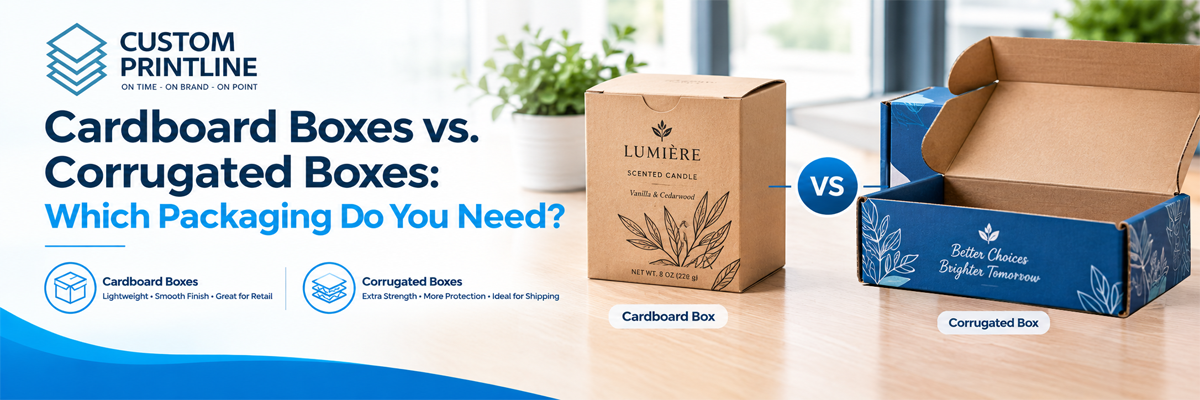
Choosing a box is not always as easy as picking a size and putting a logo on it. The stock material of the box is equally (if not more) important. A box that looks good on a store shelf is definitely not strong enough to survive shipping directly in the mail. Using a shipping box for a lightweight retail use case can add cost overheads that are unnecessary and can be easily avoided.
That is where the difference between cardboard and corrugated boxes becomes clear.
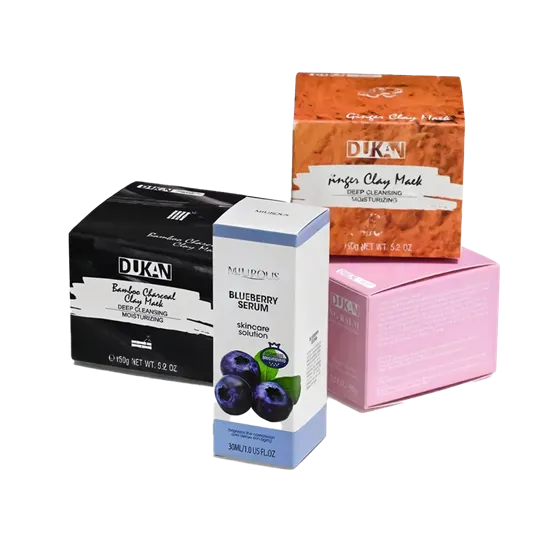
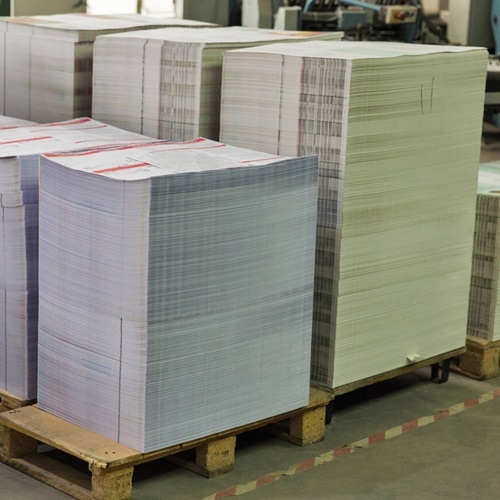
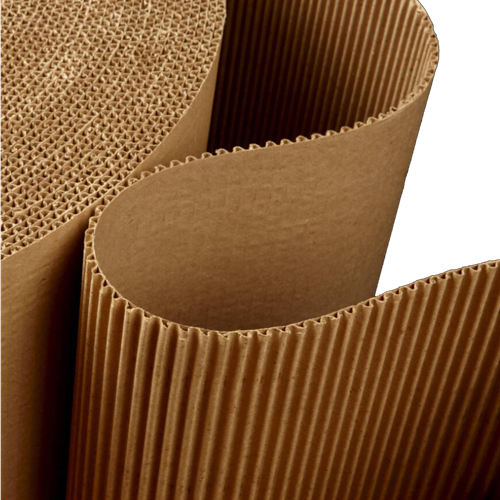
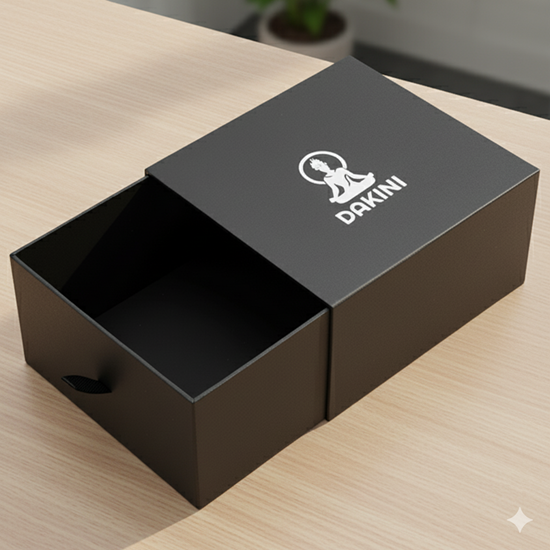
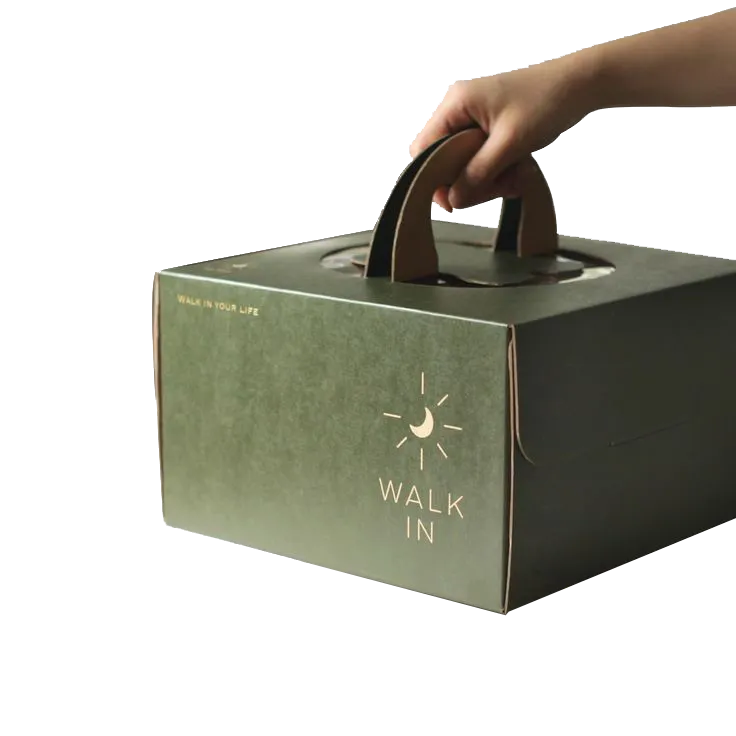
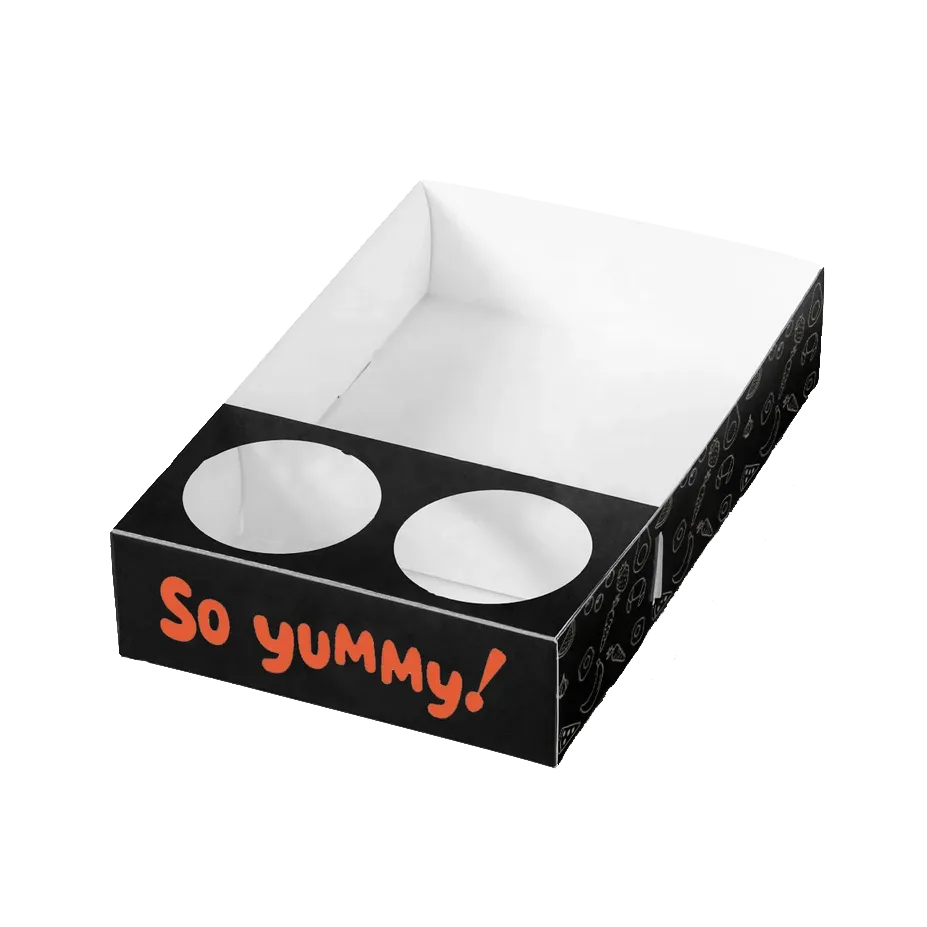
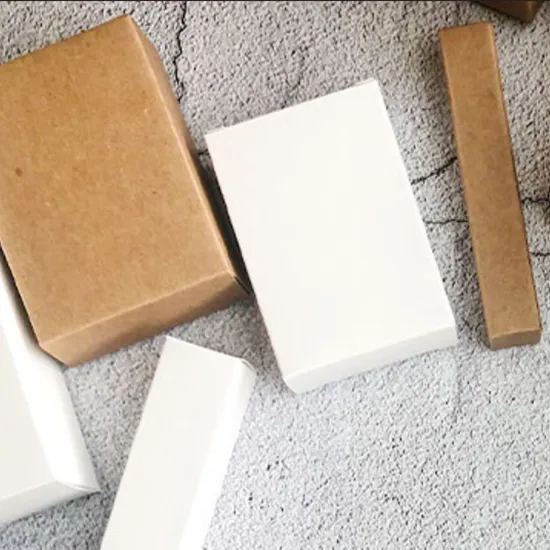
Although many people use the words cardboard and corrugated boxes interchangeably, they are not exactly the same. Cardboard normally means paperboard, the material used for cereal boxes, cosmetic boxes and other retail product packaging. Corrugated boxes have a layer of flute between two cardboard sheets. This extra layer gives the box strength and helps keep products safe during shipping.
So which type of box should you choose? It depends on what you're packaging, what is the use case for packaging and how much protection does the product need.
**What Is Cardboard Packaging?**
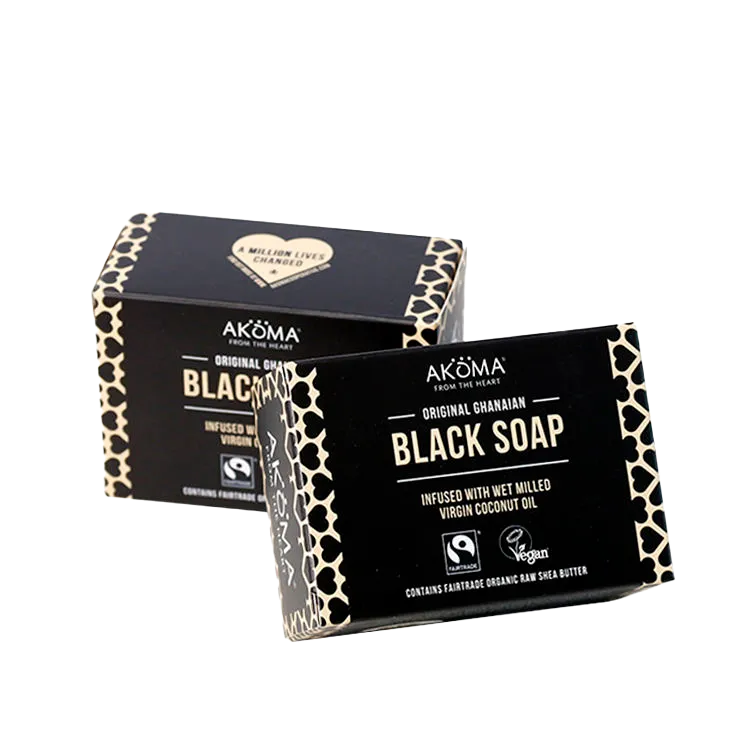
Think about the box that holds your toothpaste or the small box that holds a phone accessory. Those are examples of cardboard packaging. Cardboard is made from compressed and recycled paper fibers that is formed into a flat stiff sheet. Cardboard comes in thicknesses so it can be used for lightweight cartons or for a thicker retail packaging.
One reason businesses choose cardboard is its look. The smooth surface makes it easier to print designs, product information and brand graphics. If your packaging needs colors, sharp text or special finishes cardboard offers many options. Cardboard can also be cut, scored and folded into unique shapes that can be easily assembled. That makes cardboard useful for products that need a compact box on a retail shelf.
**Common uses include:**
- Cosmetic and skincare boxes
- Cereal and dry food cartons
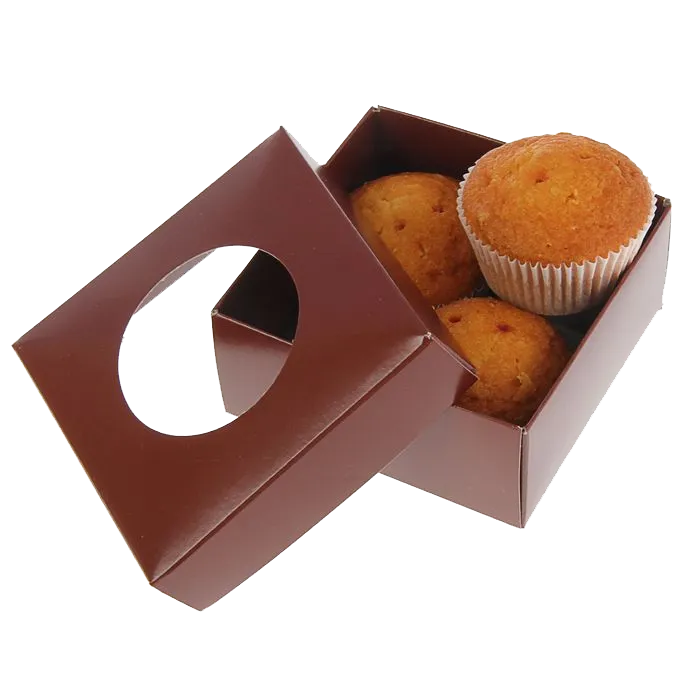
- Tea and confectionery packaging
- Pharmaceutical cartons
- Sleeves and small product boxes
Cardboard works especially well when the packaging is meant to show a product and compliment it perfectly. However, the thing to keep in mind is that it is not good for shipping. Standard cardboard does not have the cushioning structure that corrugated boxes have. If a cardboard box is dropped or crushed, the impact can reach the product more easily. For that reason cardboard boxes are most often shipped in a outer shipping box or a master carton.
What Makes Corrugated Boxes Different?
Corrugated boxes are built to protect. Corrugated boxes usually have three layers: two flat sheets called cardboard liners and a wavy sheet of paper between them called a flute. This flute makes arches throughout the middle layer giving it extra stiffness and helping it absorb some impact that happens during shipping, handling and transportation.
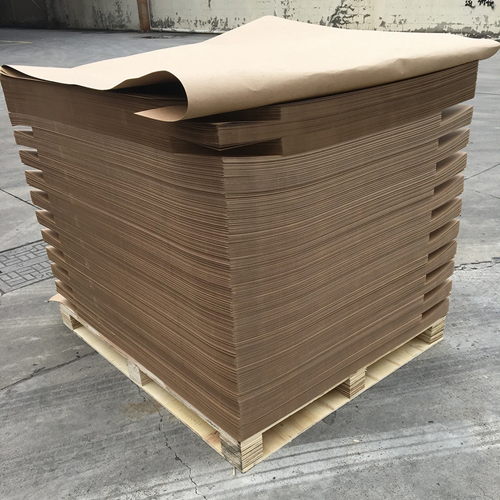
You have probably seen corrugated boxes used for moving, shipping orders and transporting products between warehouses. Corrugated boxes are popular for a reason. They can handle conditions that ordinary cardboard boxes are not designed for.
Corrugated packaging comes in thicknesses and constructions. A thin corrugated mailer may be ideal for shipping retail products while a thicker box may be needed for heavy goods or items that will be stacked during transport.
**Some common uses include:**
- Ecommerce shipping boxes
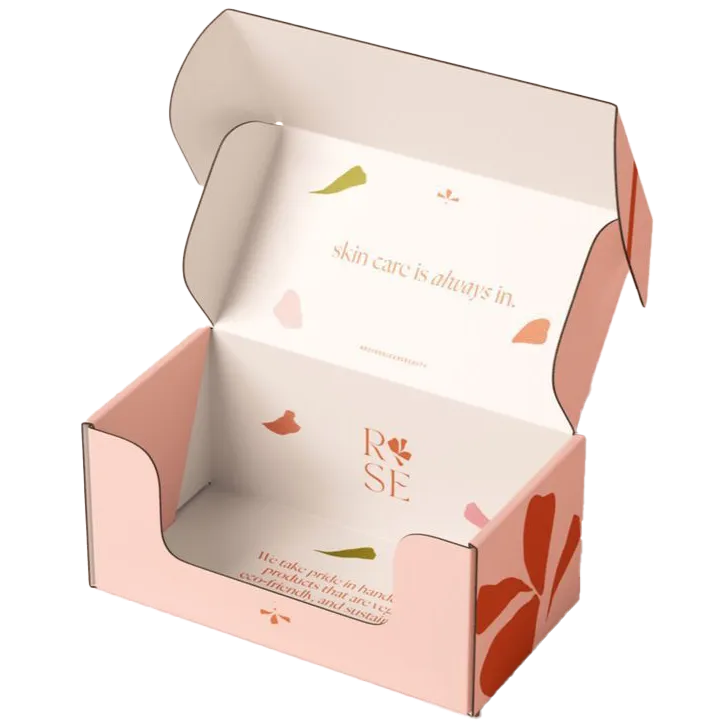
- Corrugated mailers and subscription boxes
- Moving and storage cartons
- Wholesale and bulk shipping containers
- Protective packaging for products
- Heavy-duty cartons for industrial goods
Corrugated boxes can also be printed and customized. A standard kraft shipping box may have a logo only while a corrugated box can have printed graphics not only on the outside but can also be branded on the inside and it comes with many other finishing and embellishment options. However, the main difference between cardboard and corrugated boxes is that cardboard is lightweight, flimsy and flexible material while corrugated boxes are durable and give increased structural protection during shipping which helps the products from protection from any potential damage.
**Cardboard vs. Corrugated Boxes: What Should You Compare?**
Both cardboard and corrugated boxes have their place. The trick is to choose based on what your packaging needs to do.
1. Strength and Product Protection
Cardboard is stiff enough for retail applications but its performance depends on the thickness, construction and size of the box. Cardboard is generally not the choice for carrying heavy products or absorbing repeated impacts during shipping.
Corrugated boxes are designed to give structural strength. Their fluted layer helps the box resist crushing and bending while the overall construction gives some cushioning, against knocks and bumps.
For example a small box that holds a lipstick may only need to look good on a store shelf. A box that holds several glass skincare bottles needs protection especially if that box is being shipped straight to customers.
The weight of the product matters,. The fragility of the product matters too. A lightweight glass item may need protective packaging than a heavier product that can survive a few knocks.
2. Branding
If your packaging is part of the product experience, the appearance of the packaging matters.
Paperboard has a surface that works well for detailed artwork, small text, bright colors and premium finishes. Paperboard is a choice for brands that want their products to look polished on retail shelves.
Corrugated packaging can also support branding. The results of the packaging depend on the board the printing method and the finish you choose. Direct printing on a kraft liner often gives a look while printed and laminated surfaces can provide more detailed graphics.
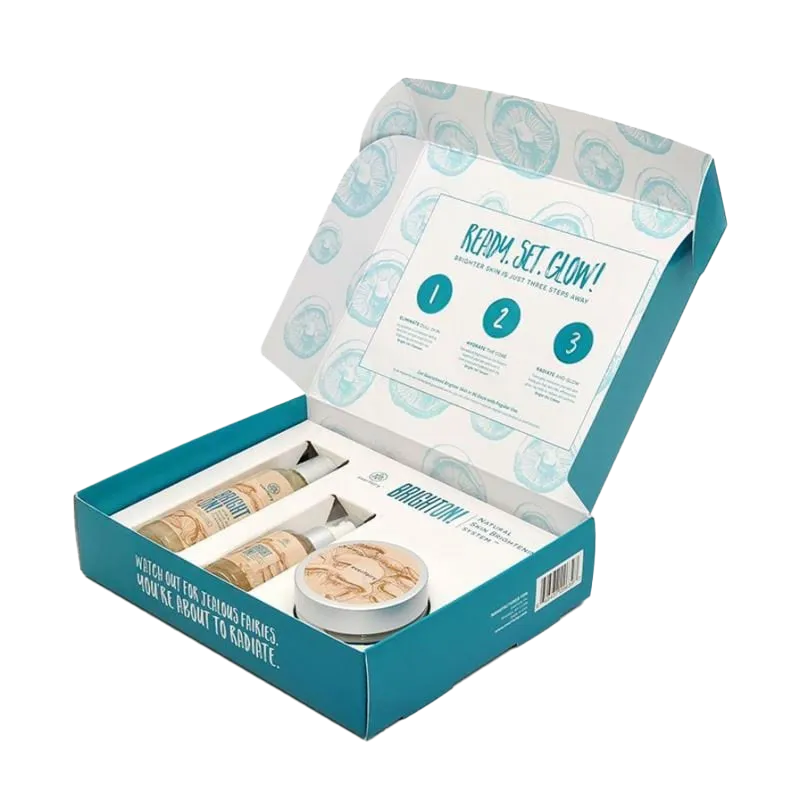
Consider a cosmetics brand that sells a skincare set. A printed paperboard carton can give the products a premium presentation. The same brand might use a printed corrugated mailer to protect the set and create a branded delivery experience.
You do not have to sacrifice appearance for protection. You just need to choose the construction and printing options.
3. Packaging Costs
Cardboard boxes are thinner and flexible. They require less setup and is therefore more affordable compared to corrugated boxes. Corrugated boxes have additional processes that are required for production, they have more weight and require more volume when shipped. This makes them a bit more expensive compared to cardboard boxes. However, while it is tempting to compare the price of one paperboard box with the price of one corrugated box. The box itself is only part of the cost.
Consider what happens after the packaging leaves your warehouse/production facility. If a box does not protect the product properly you may end up paying for replacements, refunds, reshipping and customer service. Those costs can quickly outweigh the savings. On the hand choosing a stronger box than necessary can mean increased production, stock material and shipping costs. The goal is to use packaging to protect the product without adding unnecessary weight or material. The best choice depends on your box dimensions, board specifications order quantity, printing requirements and shipping conditions.
For a retail product paperboard may be the economical option. For a product that must be shipped to customers, corrugated packaging is the better overall value.
4. Storage and Shipping Space
Packaging takes up space before it ever reaches your customer.
Cardboard boxes are shipped flat to your warehouse and can be easily stored until you need to assemble them. This allows businesses to keep a larger quantity of boxes on hand without worrying too much about storage space. Cardboard boxes in bulk quantity also cost less per unit so ordering more will reduce the price per unit and help to increase your revenue as well.
Corrugated boxes can also be stored flat although the fluted construction generally makes the material thicker and requires a bit more space. Also, corrugated boxes are generally much larger in size so they also consume more space even when folded flat. Once assembled the difference becomes more noticeable. Larger corrugated boxes can take up space especially when the boxes are waiting to be packed or shipped.
If your business operates from a warehouse or fulfillment area consider how many boxes you will need to store and how often you will use them. The right design can help reduce space while keeping the product properly protected.
Which Packaging Is Right for Your Business?
The best material becomes easier to identify when you look at how the product will be sold and delivered.
Retail Products Sold in Stores
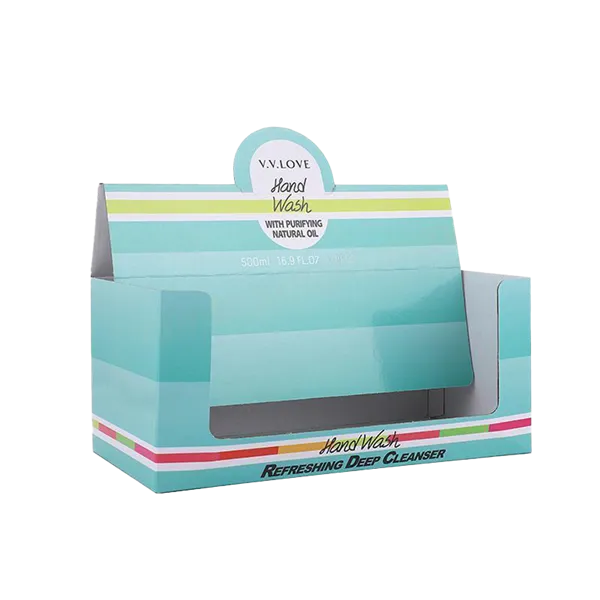
For products that sit directly on store shelves paperboard folding cartons are often a good fit. Paperboard offers a smooth printing surface, takes up relatively little space when stored flat and can be designed around the shape of the product. Think of cosmetics, tea boxes, small accessories and packaged consumer goods. In these situations the box needs to present the product while providing enough protection for normal handling. If the product is fragile or heavy additional structural support might be a better choice and may also be necessary.
E-commerce Orders Shipped to Customers
Orders go through a different process. Packages may be sorted by machines, stacked with shipments loaded into delivery vehicles and handled several times before arriving at the customers door. Corrugated mailer boxes are better suited to these conditions because their construction provides more strength, than standard paperboard cartons.
The correct box still depends on the product. A small durable item may need a lightweight corrugated mailer while a fragile product could require stronger board, internal inserts or protective cushioning.
Tip: Choosing the size is important too. An oversized box can allow the product to move around increasing the risk of damage and wasting shipping space.
Products That Need Both Types of Packaging
Businesses do not have to choose between cardboard and corrugated packaging. Both are necessary for different purposes.
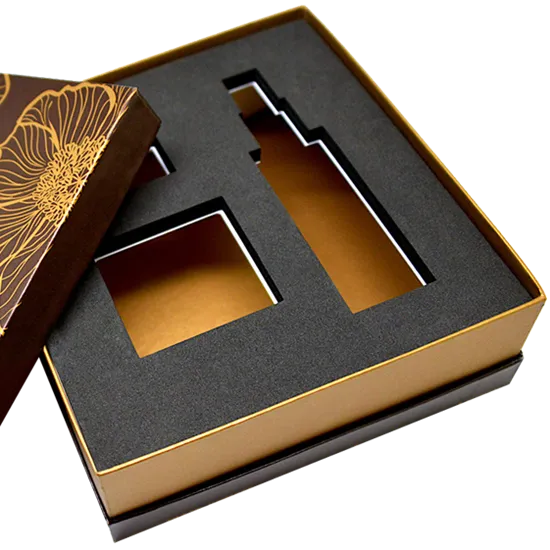
Imagine a brand that sells a perfume bottles. The bottles sit inside a custom cardboard box that has the branding and product details printed on it. This box can easily be placed on store shelves for buyers to take with them. However, if the same perfume bottle was to be delivered to a customer through the mail, then that perfume bottle can be packaged inside a branded corrugated mailer box. So each packaging type has a unique and specific use case.
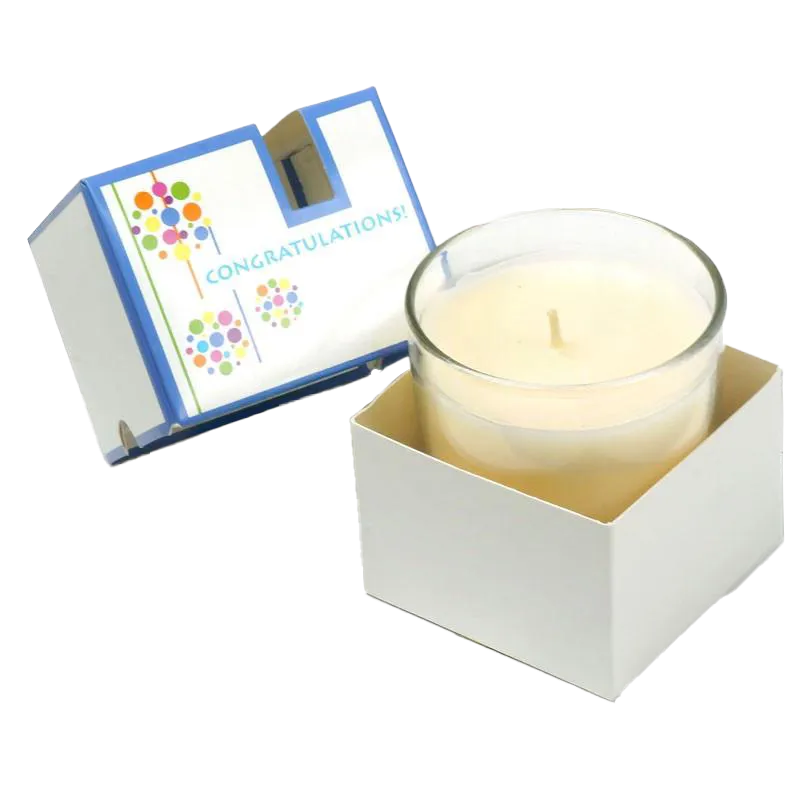
This approach is useful for cosmetics, candles, gift sets, electronics accessories and other products where presentation and shipping protection both are important.
Can Corrugated Boxes Be Customized?
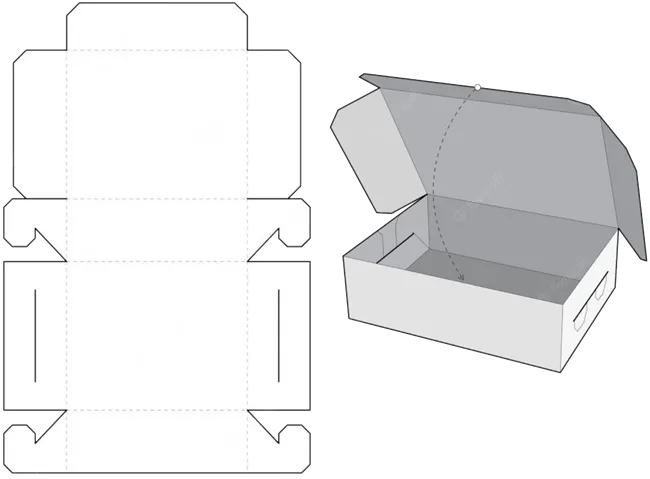
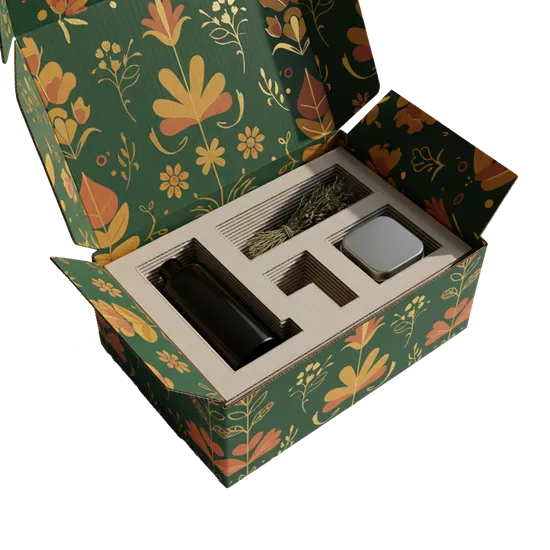
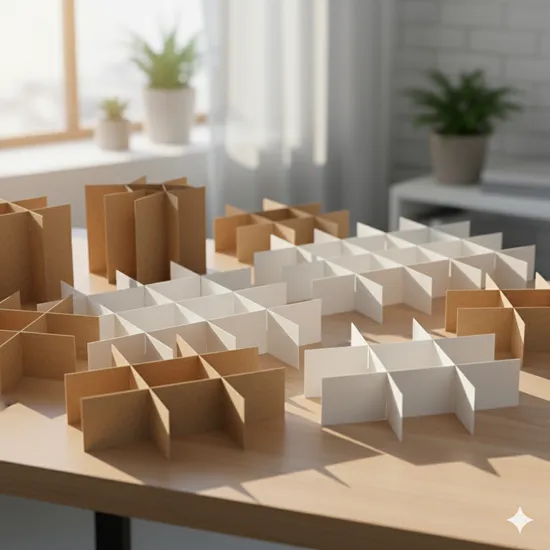
Yes. Corrugated boxes are not limited to brown shipping boxes. Depending on your requirements you can customize the box dimensions, flute type, printing your logo or abstract graphics and much more. Inserts and pocket dividers can also be added to these boxes to help hold products in place during shipping.
For brands that want a premium appearance custom‑printed mailers are a good option. Mailer boxes can be custom printed with your logo, brand colors, product messaging and other design elements while retaining the structure of corrugated board.
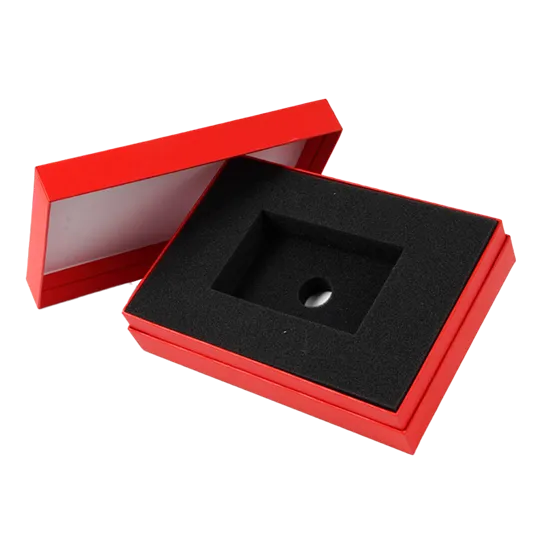
Paperboard cartons offer their range of customization options, including different thicknesses, folding styles, coatings and specialty finishes.
Before deciding on a design consider the products dimensions and weight how it will be packed and whether the corrugated box needs to withstand shipping or simply present the product. These details help determine which material and construction make the sense.
Find the Right Custom Box for Your Products
Choosing packaging does not have to be complicated. Start with the basics: what are you packing how will it be. What do you want the customer to see when the corrugated box arrives?
Paperboard is an option, for lightweight retail cartons where printing and presentation matter. Corrugated boxes are generally the choice when a box needs to withstand shipping, stacking and rough handling.. When you need both an attractive product box and reliable shipping protection combining the two materials may be the best solution.
At CustomPrintline you can explore custom packaging options based on your product, branding and order requirements.
Need help choosing the right box?
Request a custom quote to discuss your packaging specifications compare materials and explore printing options for your next order. With the right box design you can protect your products manage packaging costs and give customers an experience that reflects your brand.