
 Apparel &
Fashion
Apparel &
Fashion Automotive
 CBD & Hemp
 Electronics & E-Com
 Confectionery
 Cosmetics
 Events &
Holidays
Events &
Holidays Food &
Beverages
Food &
Beverages Health &
Pharma
Health &
Pharma Household
 Office &
Workplace
Office &
Workplace Retail &
Outdoor
Retail &
Outdoor Pets
Pets Promotional
Why Custom Packaging Is Getting More Expensive (and Smart Sourcing Strategies to Protect Your Margins)
At CustomPrintline, we know that running a business during uncertain global times brings unexpected financial challenges. Geopolitical tensions, fluctuating fuel markets and rising raw material costs have created a noticeable ripple effect across the entire custom packaging industry. When global energy prices spike, the cost to manufacture custom cardboard, corrugated boards and rigid fiberboard naturally increases. However, rising production costs do not mean you have to compromise on your brand's physical presentation. We are here to help you figure out how to manage these industry-wide price shifts without blowing your marketing budget. Read our guide below to understand what is driving custom box prices higher and discover practical, cost-saving strategies to keep your custom packaging affordable, efficient and impactful.
If you have ordered custom printed boxes recently, you might have noticed that unit prices and shipping fees across the packaging industry are higher than they were a few years ago. Do not worry if these price shifts feel frustrating or hard to predict. The global economy has gone through significant changes and these macroeconomic events directly influence how custom packaging is produced and delivered. Our goal is to make these industry shifts easy to understand so you can make smart, cost-effective decisions for your business. You might be wondering why raw paper costs keep moving or how rising fuel rates affect your custom order. We are here to walk you through the exact reasons behind these price changes and show you practical ways to keep your packaging expenses under control.
The Ripple Effect: How Global Events Impact Custom Packaging
To understand why custom box prices move, it helps to look at the chain reaction caused by international events. Unlike mass-produced off-the-shelf boxes, custom packaging relies on specialized manufacturing processes, precise paper milling, custom dieline cutting and high-grade offset printing. Every step in this specialized pipeline depends on global energy and raw material markets.
1. Geopolitical Instability and Irregular Energy Prices
The Cause: Conflicts and political instability in energy-producing regions create sharp unpredictable swings in global crude oil and natural gas prices.
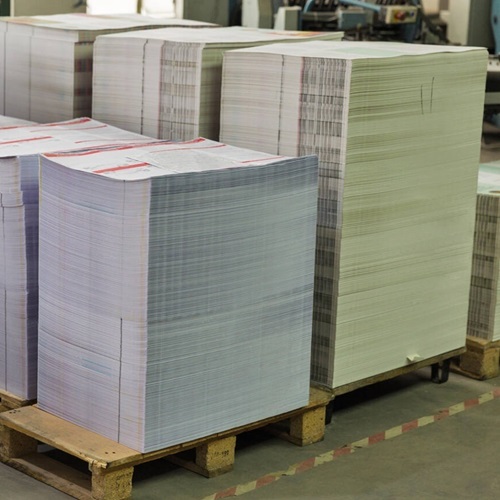
The Effect on Custom Packaging: Paper mills and board manufacturers require massive amounts of thermal and electrical energy to turn raw wood pulp into high-grade card stock. When energy prices jump, mills must adjust their raw material rates. This directly increases the base cost of custom cardboard sheets, corrugated flutes and dense rigid boards used for bespoke packaging.
2. Rising Crude Oil and Chemical Processing Costs
The Cause: Fluctuating oil markets directly affect the pricing of petroleum derivatives and industrial chemicals.
The Effect on Custom Packaging: Custom printing relies on specialized inks, protective surface coatings (like high gloss or smooth matte laminations) and structural adhesives. As raw chemical costs go up, the cost to produce custom-printed graphics and durable box structures increases across the printing industry.
3. Air Freight Surcharges and Courier Fuel Adjustments
The Cause: Global fuel price hikes force express air carriers and international courier services to implement variable fuel surcharges.
The Effect on Custom Packaging: Because custom boxes are manufactured to your exact size specifications and shipped directly to your location via air freight and express couriers (like DHL, FedEx, or UPS), changing fuel surcharges directly impact your final delivery cost.
Smart Sourcing: Practical Ways to Protect Your Margins
While you cannot control global fuel markets, you can take control of how your custom boxes are engineered and ordered. Here is how you can optimize your packaging strategy to keep costs low while maintaining a high-end brand presentation.
1. Optimize Your Box Dimensions (Eliminate Dimensional Weight)
Shipping carriers calculate air freight costs using dimensional weight (the amount of space a box occupies) rather than actual weight alone. Ordering a custom box that is even half an inch larger than necessary increases your air shipping fees on every single unit.
The Solution: Measure your items carefully by placing them on a flat table (measuring length from left to right, width from front to back and height from top to bottom). Adding just a one-eighth inch clearance buffer ensures a snug fit without wasting space. Compact custom boxes use less raw card stock and dramatically reduce air freight costs.
2. Choose the Right Material Thickness for the Job
Using an overly thick stock material adds unnecessary weight and material expense to your order.
The Solution: Match your paper stock directly to your product weight:
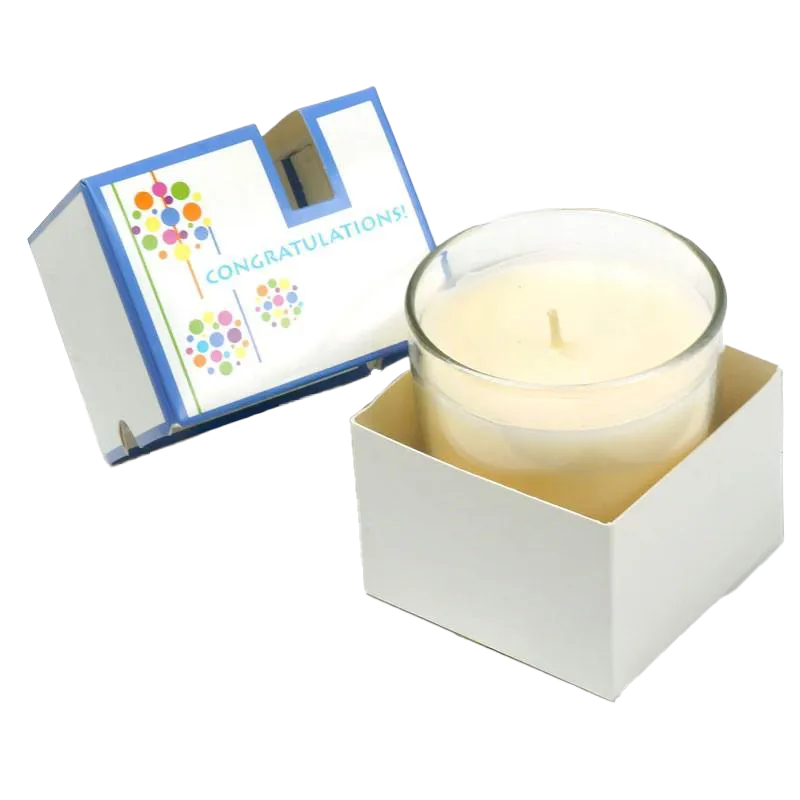
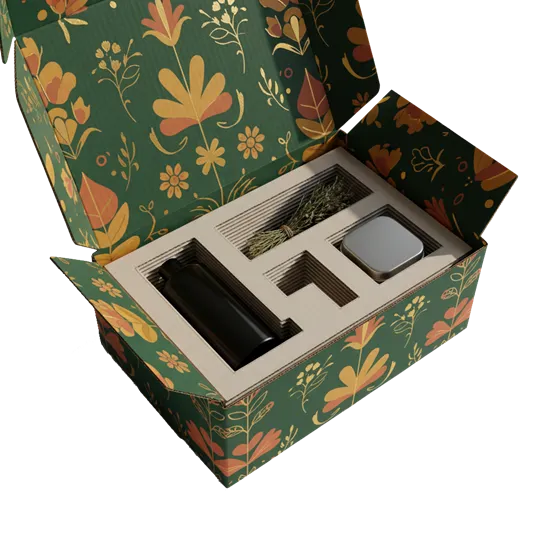
Cardboard Sheets: Use lightweight 12pt to 24pt cardboard for small retail items like cosmetics or candles.
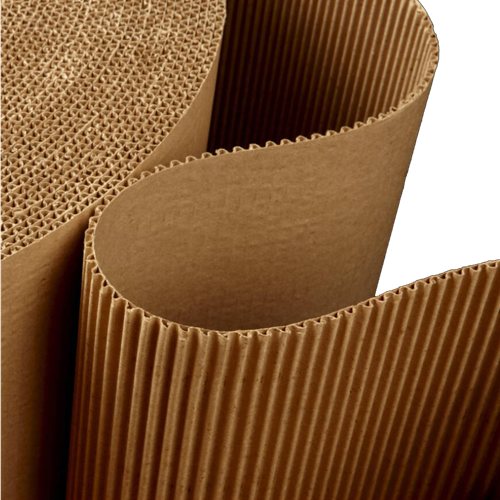
Corrugated Boards: Use standard E-flute or sturdier B-flute corrugated board for items that require shipping protection without adding excessive bulk.
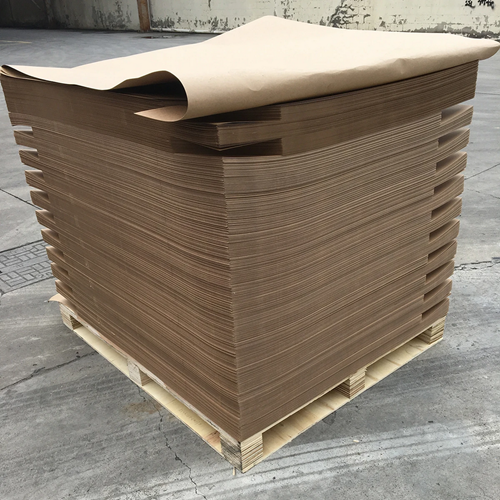
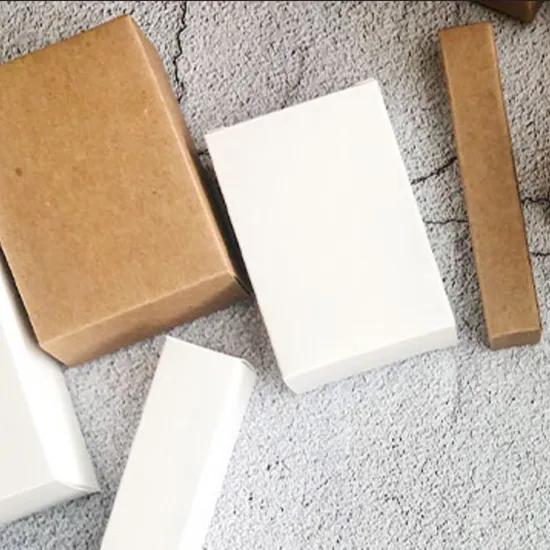
Kraft Sheets: Choose natural brown unprinted or minimally printed kraft stock for a clean, cost-effective rustic look.
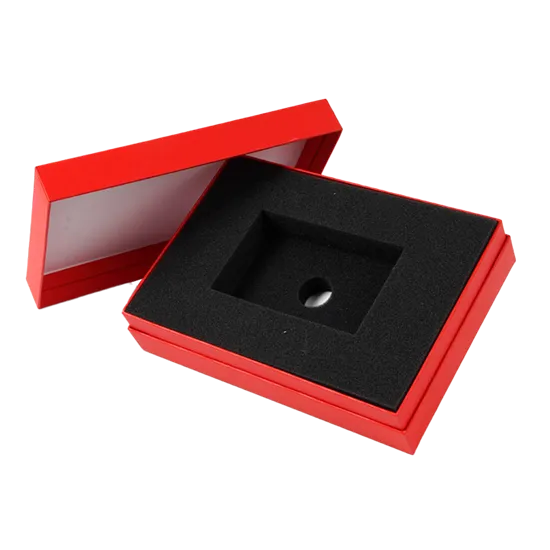
Rigid Board: Reserve dense fiberboard for luxury items where the higher price point matches your product margin.
3. Standardize Box Sizes Across Multiple Products
If you sell multiple items of similar size, ordering a different custom box size for each product increases your overall setup expenses.
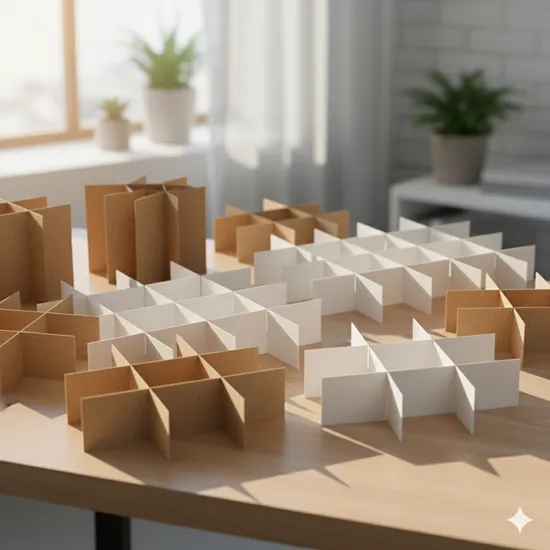
The Solution: Design a single custom box size that fits several of your products using custom paper inserts or tissue paper. Ordering a larger quantity of one standardized box size unlocks bulk volume discounts and lowers your cost per box.
4. Consolidate Orders to Maximize Freight Efficiency
Placing small, frequent orders means paying base shipping fees and setup costs repeatedly.
The Solution: Plan your inventory requirements a few months ahead. Ordering 250 or 500 units at once instead of 100 units significantly reduces the air freight cost per box, giving you much better overall value for your order.
Why Choose CustomPrintline.com
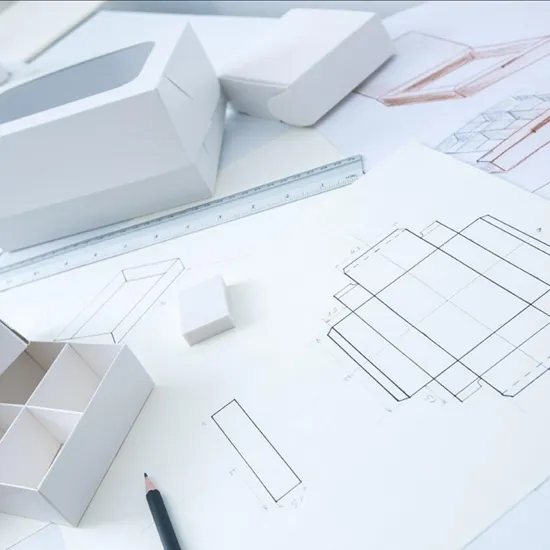
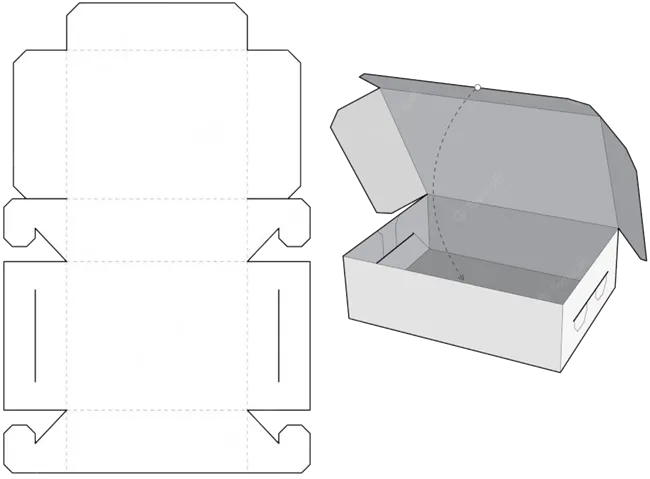
Navigating rising industry costs requires a packaging partner who works proactively to keep your expenses down. At CustomPrintline, we specialize in delivering high-quality custom packaging and printing solutions tailored to your exact budget. We help you cut out unnecessary spending by offering free custom dieline templates so your artwork fits perfectly on the first try, avoiding costly prepress redesigns. Once your order is placed, we dispatch physical prototype samples so you can test product fit, material strength and print quality before bulk production begins.
Our pre-press team carefully reviews your Adobe Illustrator vector files (ensuring 300 DPI resolution and CMYK color modes) to guarantee sharp offset printing without costly production errors. With low order minimums and fast production turnarounds of 8 to 10 business days followed by direct courier delivery, we make it easy for growing businesses to scale affordably. Partner with CustomPrintline today to protect your margins and get high-grade custom boxes at competitive prices!
Frequently Asked Questions
1.) What is the minimum order quantity?
We don’t really have any minimums but we generally recommend ordering at least 100 pieces so that you can get a better price per box and more value for your order.
2.) Do you offer design assistance?
We can help you with placing your artwork on the box dieline but we cannot make the designs from scratch.
3.) Can I get a prototype sample for testing?
Yes, once an order is placed, we always dispatch custom samples so that you can physically inspect the boxes and make sure they work for your use case.
4.) How long does production and delivery take?
Our production team needs approximately 8 to 10 business days followed by a few days of ground shipping. In most cases, we are able to deliver in less than 2 business weeks.
5.) Can I customize the design and printing?
Yes, we offer a range of customization options to choose from such as box size, shape, colors and finishing. We can also print on both interior and exterior surfaces.
6.) Why are custom packaging prices changing across the industry?
Fluctuations in global energy markets affect paper mill production costs, while changing fuel prices impact air freight courier surcharges for custom deliveries.
7.) How does box size affect my air shipping costs?
Air couriers charge based on dimensional weight (box volume). Designing a custom box that fits your product tightly reduces box volume and lowers air freight charges.
8.) Can standardizing my box sizes lower my custom packaging costs?
Yes, using one custom box size for multiple products allows you to order in larger quantities, which lowers the price per box and saves setup costs.
9.) What is the best material for keeping custom retail packaging affordable?
Lightweight cardboard sheets (12pt to 24pt) work great for retail shelves, while E-flute corrugated boards offer affordable structural strength for shipping.
10.) How does CustomPrintline help me manage rising packaging costs?
We provide free dieline templates, physical prototype samples, prepress artwork verification and bulk quantity pricing to keep your custom order cost-efficient.