 Apparel
 Automotive
 CBD & Hemp
 Electronics & E-Com
 Confectionery
 Cosmetics
 Events &
Holidays
 Food &
Beverages
 Health &
Pharma
 Household
 Office &
Workplace
 Retail &
Outdoor
 Pets
 Promotional
How to Choose Custom Packaging for Small Businesses
Choosing the right packaging is an important decision for any small business. Whether you sell products online, operate a retail store, or manufacture goods for other businesses, your packaging helps protect your products, communicate your brand identity, and create a consistent customer experience.
However, selecting packaging involves more than choosing an attractive box. You need to consider your product's dimensions, shipping requirements, material strength, printing options, order quantity, and budget.
The good news is that custom packaging can be tailored to different products, business sizes, and branding goals. By understanding your options before placing an order, you can make more informed decisions and avoid common packaging problems.
In this guide, we'll explain how to choose custom packaging for your small business, explore popular box styles and materials, and outline the factors to consider before requesting a quote.
Understand Your Product's Packaging Requirements
Before choosing a box style or printing design, identify what your packaging needs to accomplish.
Different products have different packaging requirements. A lightweight retail product may need a simple folding carton, while a fragile item shipped directly to customers may require a stronger corrugated box and protective inserts.
Start by asking yourself these questions:
-
What product will the packaging contain?
-
What are the product's dimensions and weight?
-
Is the product fragile, heavy, or sensitive to moisture?
-
Will the packaging be displayed on retail shelves or shipped to customers?
-
Does the product require internal inserts or additional protection?
-
How important are branding and presentation?
Your answers will help narrow down the most suitable packaging options.
For example, a cosmetics business may prioritize printed graphics and an attractive retail presentation. An e-commerce business selling heavier products may place greater emphasis on structural strength and shipping protection.
The best packaging balances product protection, practical functionality, brand presentation, and cost.
Choose the Right Type of Custom Packaging Box
Custom packaging is available in several styles, each designed for different applications. Understanding their differences can help you select a box that fits your product and business needs.
Folding Carton Boxes
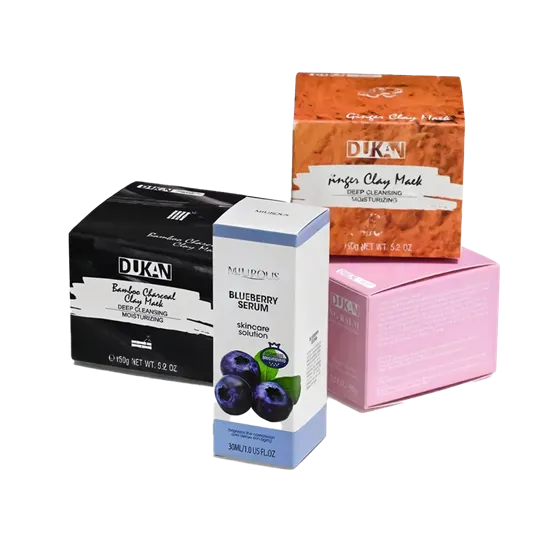
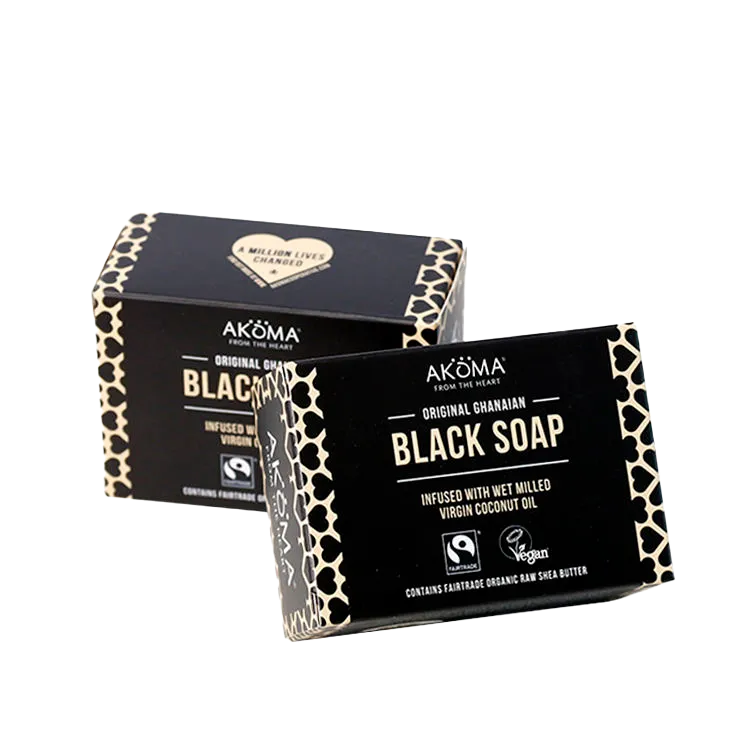
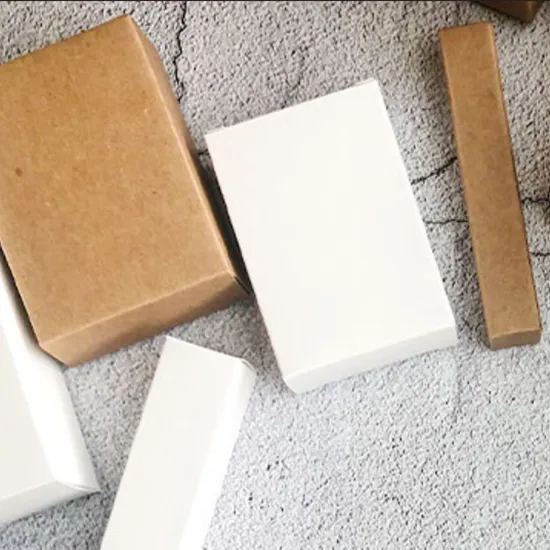
Folding carton boxes are commonly made from paperboard and are suitable for many lightweight retail products.
They can be printed with product information, logos, illustrations, and brand colors. Their versatility makes them useful for businesses that want a professional retail presentation without necessarily using a heavy-duty shipping box.
Common applications include:
-
Cosmetics and skincare products
-
Small consumer goods
-
Retail accessories
-
Food products, where the material and construction are suitable
-
Promotional products
Tuck boxes are a popular folding carton style. They are assembled by folding the box panels and securing the top and bottom flaps.
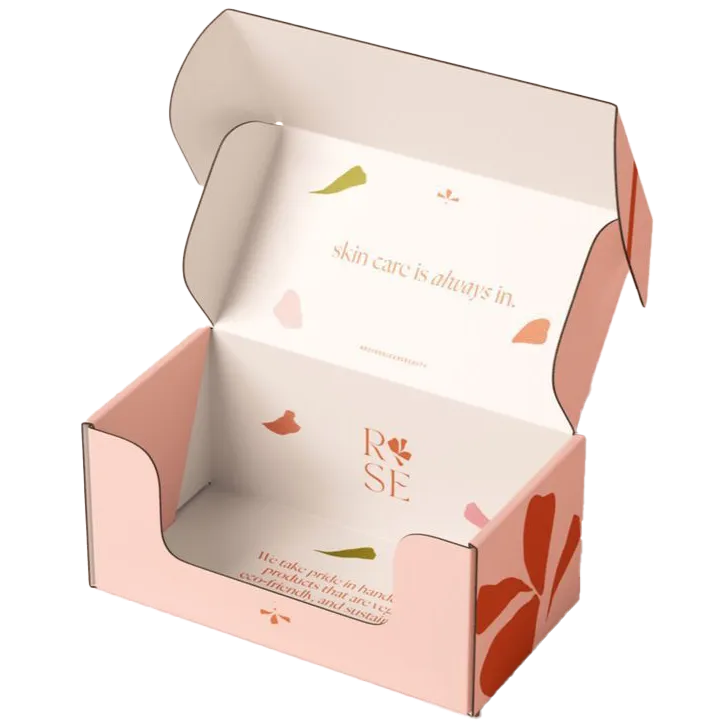
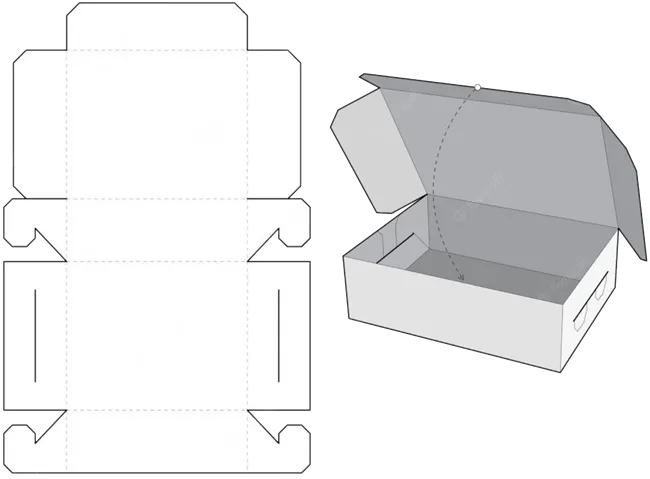
Corrugated Mailer Boxes
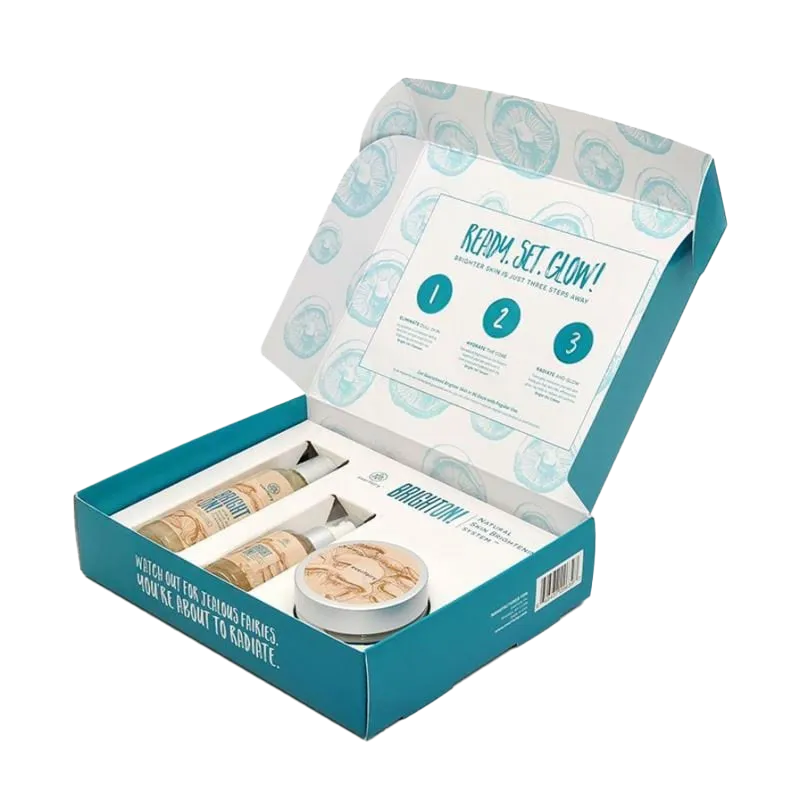
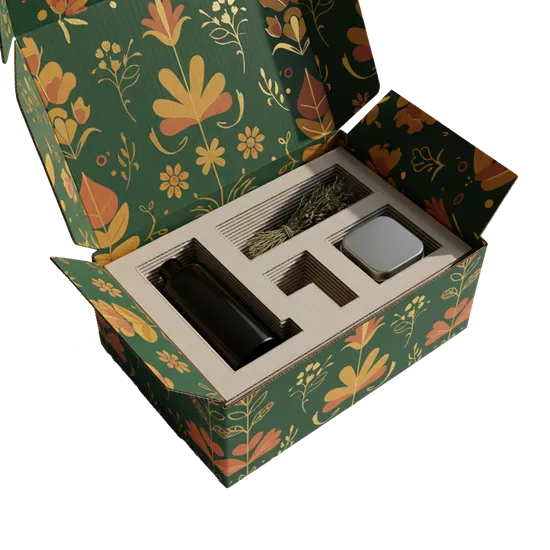
Corrugated mailer boxes are designed for shipping and delivering products. Their fluted construction provides cushioning and structural support, although the appropriate board grade depends on the product's weight and shipping conditions.
Many mailer boxes feature self-locking flaps and can be customized with printed logos, brand colors, and promotional graphics.
Common applications include:
-
E-commerce orders
-
Subscription boxes
-
Apparel and accessories
-
Promotional kits
-
Product sample shipments
For businesses shipping products directly to customers, corrugated mailer boxes can combine practical protection with a branded unboxing experience.
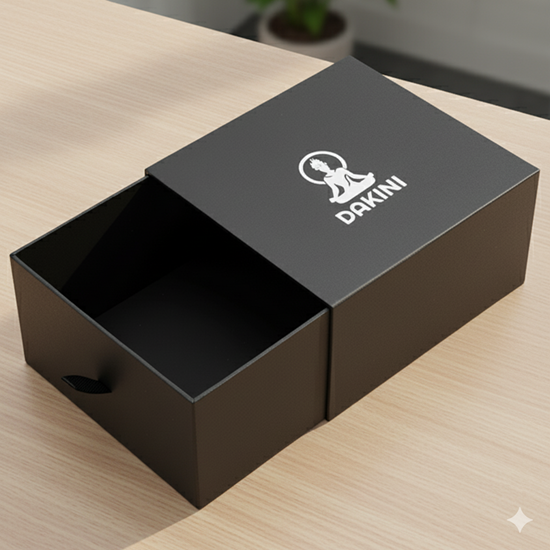
Rigid Boxes
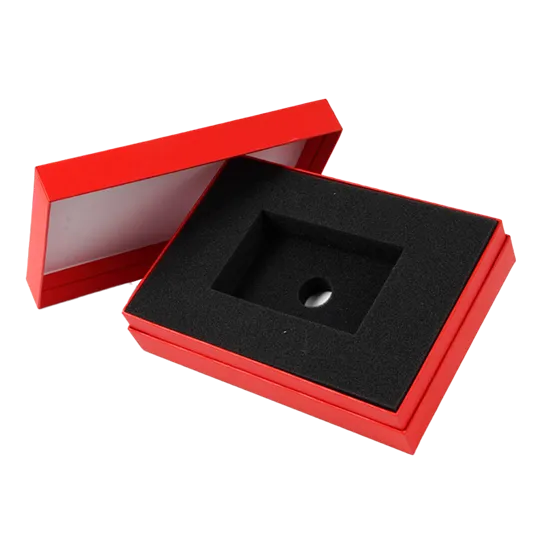
Rigid boxes are made from thick, sturdy board and are often associated with premium product presentation.
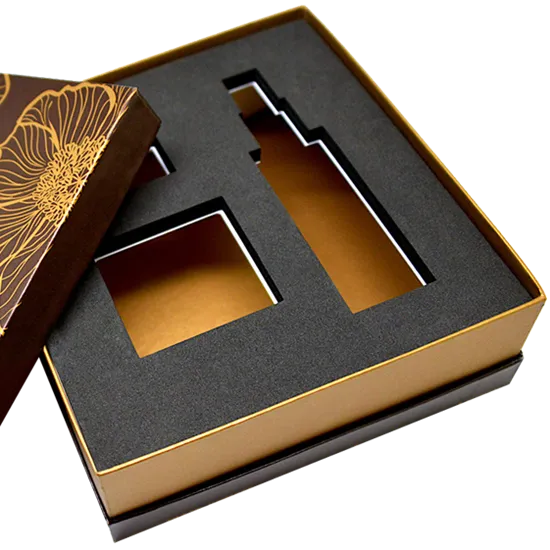
They typically maintain their shape rather than folding flat like standard folding cartons. Depending on their construction, they can include magnetic closures, removable lids, foam inserts, or decorative finishes.
Common applications include:
-
Premium gifts
-
Jewelry and accessories
-
Luxury cosmetics
-
Corporate gift sets
-
High-end retail products
Rigid packaging can provide an elevated presentation, but its construction and shipping requirements should be considered when evaluating overall cost.
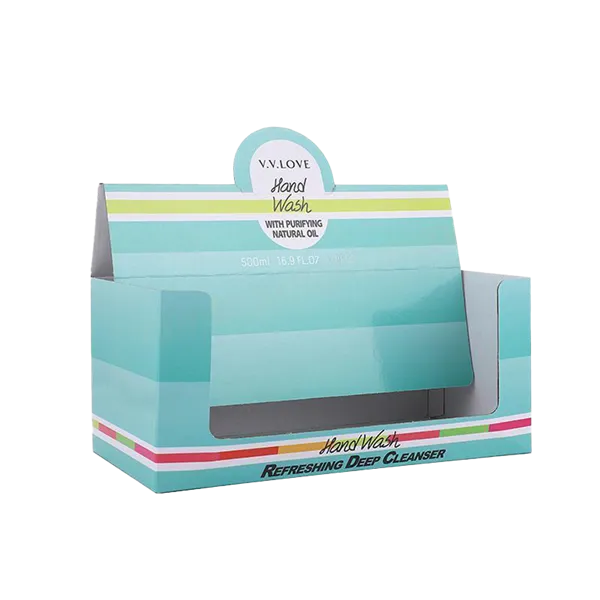
Display Boxes
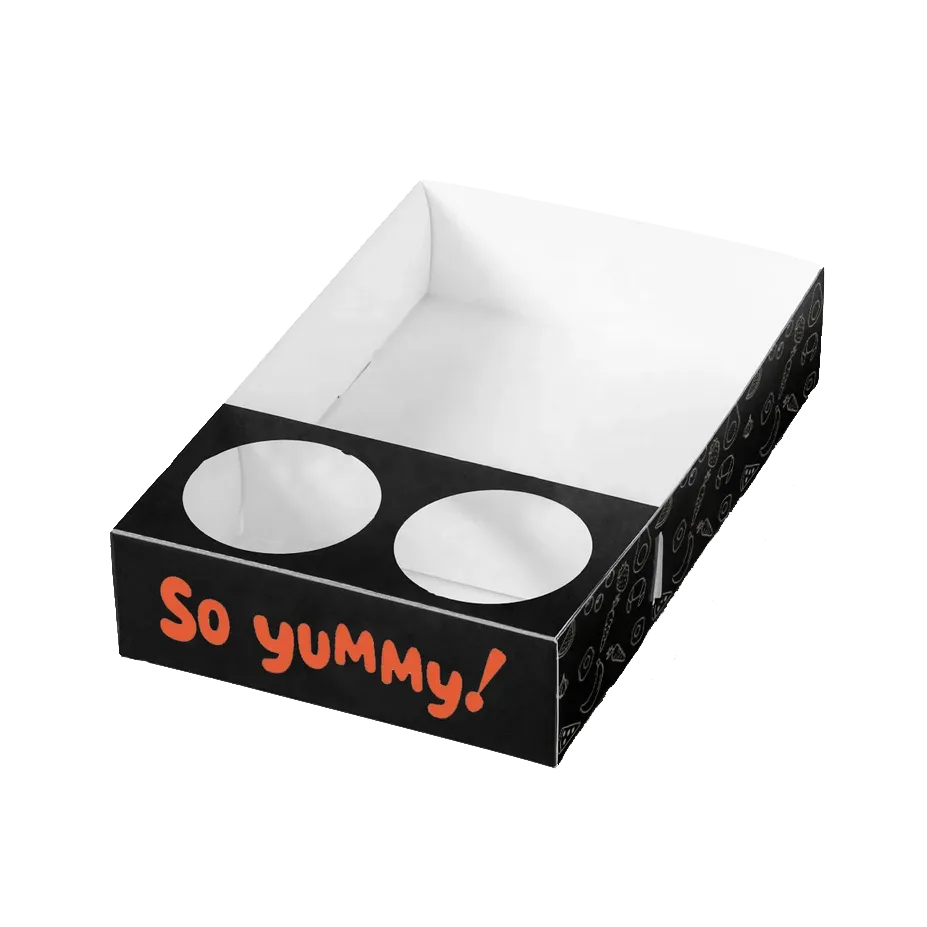
Display boxes are designed to present products in retail environments. Some styles include open fronts, perforated sections, or removable panels that make products easier to access.
They can help organize merchandise and display branding in stores, counters, and promotional areas.
Common applications include:
-
Small retail products
-
Promotional merchandise
-
Packaged accessories
-
Point-of-purchase displays
Other Custom Box Styles
Depending on your product, you may also consider:
-
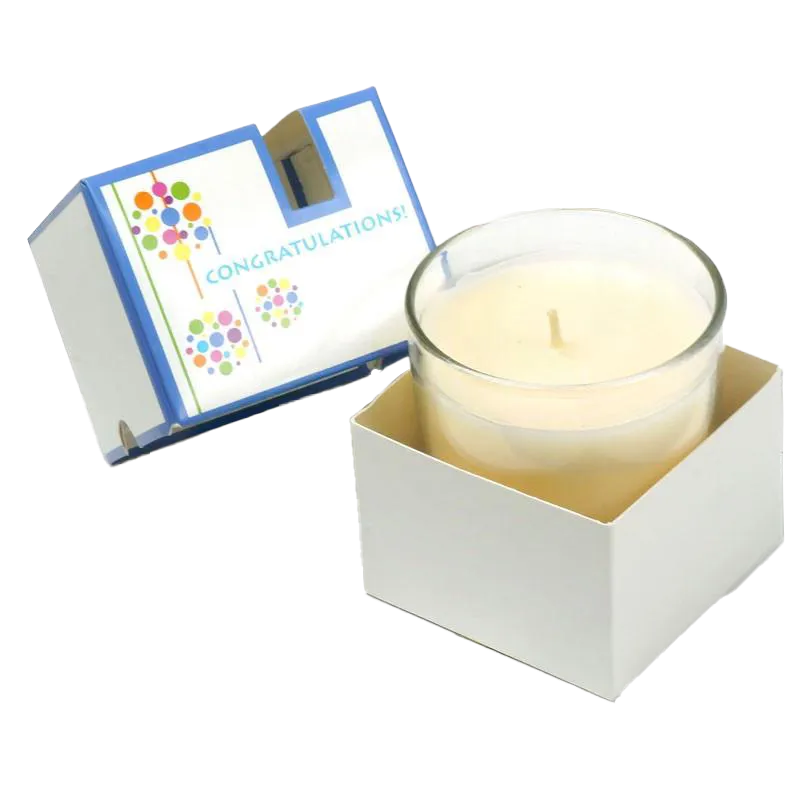
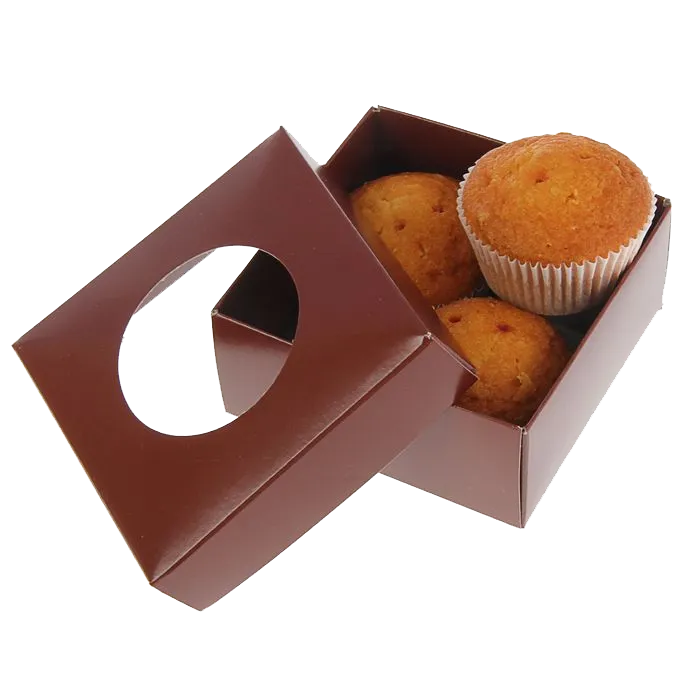
Two-piece boxes: Separate bases and lids for gifts and retail products.
-
Tray and sleeve boxes: A sliding tray enclosed by an outer sleeve.
-
Pillow boxes: Curved packaging often used for small gifts and accessories.
-
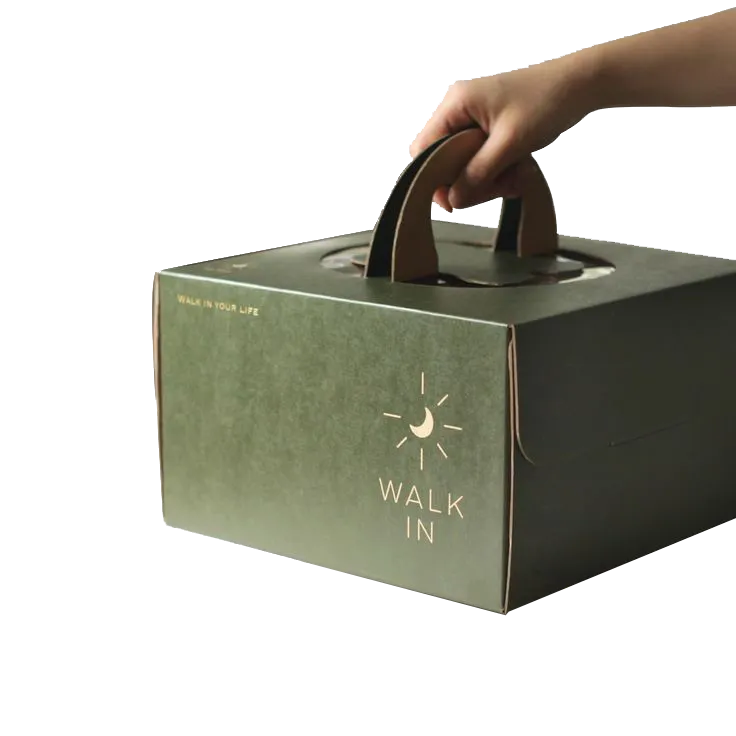
Gable boxes: Carry-style boxes with integrated handles.
-
Dispenser boxes: Packaging designed to make products easy to retrieve.
-
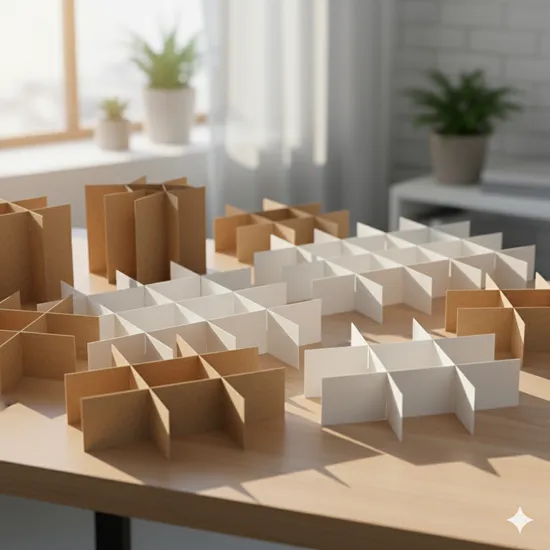
Custom box inserts: Internal components that organize or help protect products.
The right style depends on how the product will be stored, presented, transported, and used.
Select the Right Packaging Material
Packaging material affects durability, appearance, printing quality, and overall cost. Three common options are paperboard, corrugated board, and rigid board.
Cardboard
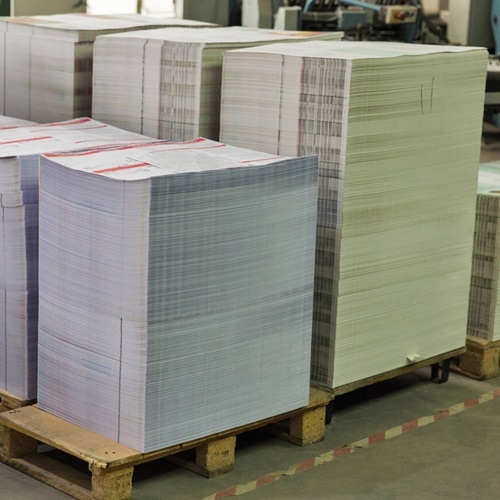
Paperboard otherwise also known as Cardboard is frequently used for folding cartons and lightweight retail packaging.
It provides a smooth surface for printing and can accommodate a variety of finishes. The appropriate thickness depends on the box dimensions, product weight, and intended application.
Paperboard is often a practical choice for products that need an attractive printed exterior without the construction of a heavy shipping box.
Corrugated Board
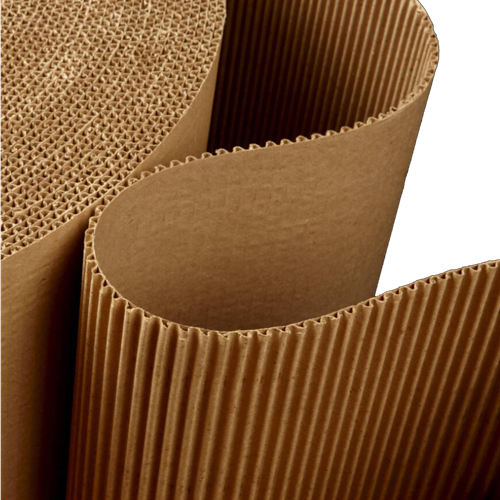
Corrugated board contains a fluted layer between liner sheets. This construction helps provide cushioning and structural strength.
It is commonly used for shipping cartons, mailer boxes, and packaging that needs to withstand handling during transportation.
The appropriate corrugated construction depends on factors such as product weight, box dimensions, stacking requirements, and shipping conditions.
Rigid Board
Rigid board provides a solid structure and is often used for premium packaging.
It can support decorative paper wraps, specialty printing, and additional components such as inserts or magnetic closures.
However, rigid boxes generally require different manufacturing and storage considerations from folding cartons.
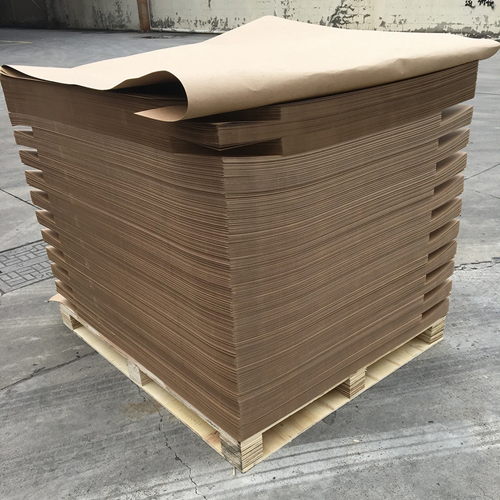
What About Kraft Packaging?
Kraft paper and kraft-based packaging materials are popular among businesses seeking a natural, understated appearance.
Kraft packaging can work well for retail products, gifts, and shipping applications, provided the selected material offers sufficient strength and suitability for the intended use.
If sustainability is important to your business, evaluate the actual material composition, recycled content, certifications, and end-of-life disposal options rather than relying on appearance alone.
Determine the Correct Box Size
Choosing the correct dimensions is essential for both product protection and cost control.
A box that is too small may damage the product or make assembly difficult. An oversized box can allow excessive movement, require additional protective material, and increase shipping costs depending on the carrier and package dimensions.
Measure your product carefully before requesting a quote.
Record the following dimensions:
-
Length: The longest measurement of the product's base.
-
Width: The measurement across the base perpendicular to the length.
-
Height: The measurement from the base to the top of the product.
For products with unusual shapes, consider the widest and tallest points.
You should also determine whether the quoted dimensions refer to the box's internal or external measurements. Internal dimensions are particularly important when checking whether a product and its protective inserts will fit.
If your product is fragile, allow appropriate space for cushioning or custom inserts. The required clearance will depend on the product and the protective materials being used.
Before approving a production order, request a sample or structural prototype when the dimensions, fit, or construction are critical.
Decide How Your Packaging Should Be Printed
Custom printing turns a standard box into a branded packaging component.
Your printing choices should reflect your brand identity, budget, product category, and intended customer experience.
Logo and Brand Colors
A logo and consistent brand colors can help customers recognize your products across different sales channels.
You do not necessarily need a complicated design. A clean layout with clear typography, appropriate spacing, and a recognizable logo can produce a professional result.
Consider how your design will look on all visible panels, including the top, sides, and interior where applicable.
Full-Color Printing
Full-color printing allows businesses to use detailed artwork, photographs, illustrations, and multiple brand colors.
It can be useful for packaging that communicates product benefits, differentiates product variants, or supports a broader visual identity.
Make sure your artwork is prepared according to the printer's specifications before production.
Printing on Kraft or Brown Packaging
Printing on kraft or brown materials can create a natural visual style.
However, the underlying material color can affect how printed colors appear. White areas in digital artwork, for example, may not automatically print as white unless a suitable white ink process is available and specified.
Discuss color expectations with your packaging supplier before approving the final artwork.
Keep the Design Practical
Before finalizing your design, check that:
-
Your logo is clear and correctly proportioned.
-
Text remains readable at the final box size.
-
Important graphics are positioned away from folds and cutting lines.
-
Required product information is included.
-
Artwork follows the supplier's dieline and file requirements.
-
Colors and finishes have been reviewed for the selected material.
A well-prepared design can reduce avoidable production issues and help the finished packaging match your expectations.
Choose the Right Finishing Options
Finishing treatments can change the appearance and feel of printed packaging. The most suitable option depends on your design, material, budget, and product positioning.
Gloss Lamination
Gloss lamination creates a shiny surface that can make colors appear more vibrant.
It may be suitable for packaging that uses bold graphics or a bright visual style.
Matte Lamination
Matte lamination produces a less reflective finish with a smooth, understated appearance.
It is often chosen for minimalist branding, premium product presentation, and designs where reduced surface reflection is desirable.
Spot UV
Spot UV applies a glossy coating to selected areas of the design.
For example, a business might use it on a logo or specific graphic to create contrast against a matte background.
Foil Stamping
Foil stamping adds a metallic or specialty foil effect to selected elements.
It can be used to emphasize logos, lettering, or decorative details on appropriate packaging materials.
Embossing and Debossing
Embossing raises selected elements above the surface, while debossing presses them into the material.
Both techniques can add texture and visual interest, depending on the material and construction.
Not every finish is suitable for every box style. Ask your supplier which options are compatible with your chosen material and printing process before making a final decision.
Set a Realistic Packaging Budget
For a small business, packaging must meet practical requirements without putting unnecessary pressure on the budget.
The cost of custom packaging depends on several factors, including:
-
Box style and construction
-
Finished dimensions
-
Material type and thickness
-
Order quantity
-
Printing coverage and complexity
-
Lamination and specialty finishes
-
Inserts and additional components
-
Production requirements
-
Shipping and delivery arrangements
A simple folding carton and a premium rigid box can have very different production costs, even if they contain products of similar sizes.
Likewise, two boxes made from the same material may have different prices because of their dimensions, printing requirements, or construction.
Balance Quality and Cost
You can manage costs by selecting an appropriate box style, avoiding unnecessary design complexity, and choosing finishes that support your actual branding goals.
However, reducing material strength below what your product requires can create greater costs through damaged products, returns, and customer dissatisfaction.
The objective is to choose packaging that meets your needs at a reasonable overall cost.
Choose an Order Quantity That Fits Your Business
The right order quantity depends on your sales volume, storage capacity, cash flow, and confidence in your product demand.
Ordering larger quantities may reduce the unit cost in some circumstances because setup and production expenses can be distributed across more units. However, the actual savings depend on the supplier's pricing structure and manufacturing process.
Larger orders also require more storage space and tie up more working capital.
Before choosing a quantity, consider:
-
Your expected monthly sales
-
Seasonal changes in demand
-
Available storage space
-
The likelihood of product or artwork changes
-
Your budget for packaging inventory
-
The supplier's minimum order requirements
If you are introducing a new product, avoid ordering more packaging than you can reasonably use before the design or product requirements change.
Ask your supplier about available quantities, sampling options, and pricing at different order levels.
Consider Shipping, Storage, and Product Protection
Packaging must perform well throughout the journey from production to the final customer.
For products sold online, consider the handling conditions associated with picking, packing, shipping, and delivery. The outer shipping container may need to provide additional protection beyond the product's printed retail box.
For retail products, consider how the packaging will be stored, stacked, transported to stores, and arranged on shelves.
Also think about how much space the packaging occupies before assembly. Folding cartons and some corrugated styles can be stored flat, while rigid boxes generally require more storage space.
If you are shipping fragile or valuable products, test the complete packaging system with the product and any inserts rather than evaluating the empty box alone.
Appropriate packaging helps reduce unnecessary movement and can support a more consistent delivery experience.
Prepare Your Artwork Before Placing an Order
Artwork preparation is an important step in custom packaging production.
A design that looks correct on a computer screen may need adjustments before it can be printed and assembled accurately.
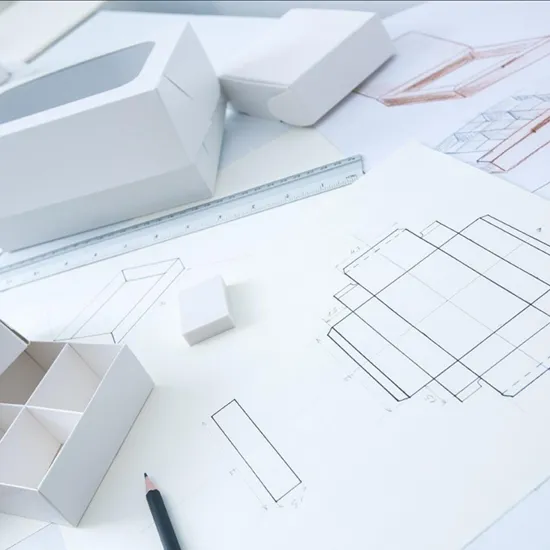
Most custom box projects use a dieline, which identifies the cutting, folding, and other production areas of the packaging.
When preparing your files, pay attention to the following:
-
Use the dieline supplied or approved by your packaging manufacturer.
-
Keep important text and graphics within the designated safe areas.
-
Include the required bleed where specified.
-
Use suitable image resolution.
-
Confirm the required color mode and file format.
-
Check fonts, embedded images, and other linked assets.
-
Review the placement of artwork across folds and panels.
-
Obtain approval for the final production proof.
The exact requirements vary by printer and production method.
If you do not have packaging artwork ready, ask your supplier about available design assistance or dieline guidance before beginning the project.
You can also review CustomPrintline's Artwork Guidelines for additional preparation information.
Common Custom Packaging Mistakes to Avoid
A little planning can help prevent problems during production and after delivery.
Choosing Packaging Based Only on Appearance
An attractive design cannot compensate for a box that is too weak, too small, or unsuitable for shipping.
Evaluate structure and protection alongside appearance.
Measuring the Product Incorrectly
Incorrect measurements can lead to poor fit, wasted space, or difficulty assembling the package.
Confirm the required internal dimensions and account for inserts and protective materials.
Overcomplicating the Design
Too many colors, finishes, and decorative elements can make the design harder to read and may increase production costs.
Prioritize clear branding and information that serves a purpose.
Ignoring the Complete Cost
A packaging quotation should be evaluated according to what it includes.
Check whether printing, finishing, inserts, shipping, and other relevant charges are included or quoted separately.
Skipping Sample or Proof Approval
A digital proof can help verify artwork placement and content, while a physical sample can help evaluate size, construction, and fit.
Where practical, review the appropriate proof or sample before authorizing full production.
Ordering More Than You Need
Excess inventory can consume storage space and cash, especially if your product or branding changes.
Choose an order quantity that aligns with your expected demand and available resources.
How to Order Custom Packaging for Your Small Business
Once you have identified your requirements, the ordering process becomes easier to manage.
Here is a practical sequence to follow.
Step 1: Define your packaging needs.
Identify the product, intended use, protection requirements, and desired appearance.
Step 2: Select a box style and material.
Choose a suitable structure based on your product dimensions, weight, presentation requirements, and distribution method.
Step 3: Confirm dimensions and quantity.
Provide accurate measurements and an estimated order quantity. Specify whether the dimensions are internal or external.
Step 4: Prepare your artwork.
Use the appropriate dieline and follow the supplier's requirements for file preparation, colors, and print specifications.
Step 5: Request a quotation.
Provide your box style, dimensions, material preferences, printing requirements, finishing options, and quantity. Include the delivery destination when requesting shipping costs.
Step 6: Review the quotation and proof.
Confirm the specifications, pricing, production details, and any applicable setup or shipping charges. Review the artwork proof carefully.
Step 7: Approve production.
Once the specifications and artwork are confirmed, authorize production according to the agreed terms.
Following these steps helps establish clear expectations and reduces the likelihood of avoidable revisions.
Frequently Asked Questions About Custom Packaging
What is the best packaging for a small business?
The best packaging depends on your product, budget, shipping method, and branding goals. Folding cartons are commonly used for lightweight retail products, corrugated boxes are often suitable for shipping, and rigid boxes can support premium product presentation.
Is custom packaging suitable for a new business?
Yes. Custom packaging can help new businesses establish a consistent visual identity. The appropriate box style, printing requirements, and order quantity should reflect the business's budget, product needs, and expected demand.
What information is needed to order custom boxes?
You will generally need the box style, dimensions, material preferences, order quantity, printing requirements, and artwork if available. Your supplier may also request information about the product's weight, intended use, and delivery destination.
Can I print my business logo on custom packaging?
Yes. Many custom packaging styles can be printed with business logos, brand colors, product information, and other artwork. The available printing methods depend on the selected material and box construction.
Are custom printed boxes more expensive than plain boxes?
Custom printed boxes may cost more than comparable plain boxes because of printing and setup requirements. The difference depends on the quantity, material, printing coverage, box construction, and finishing options.
How do I choose between cardboard and corrugated packaging?
Paperboard folding cartons are commonly used for retail presentation and lightweight products, while corrugated board is often selected for shipping and applications requiring additional structural support. Your product's weight, fragility, and handling conditions should guide the decision.
Can I order packaging with a custom size?
Many packaging styles can be manufactured to specified dimensions, subject to the supplier's capabilities and production requirements. Provide accurate product measurements and confirm the internal dimensions needed for a proper fit.
Should I request a sample before ordering?
A sample can be useful when box fit, dimensions, construction, or appearance is especially important. Ask your supplier which sampling or proofing options are available for your project.
Choose the Right Custom Packaging for Your Business
Custom packaging is an opportunity to protect your products, communicate your brand identity, and create a consistent experience for your customers.
The best solution starts with a clear understanding of your product and business requirements. Choose a suitable box style, select materials that provide the necessary protection, confirm your dimensions, and consider printing and finishing options that support your brand.
It is equally important to evaluate order quantities, storage needs, and the complete quoted cost before making a decision.
Whether you need folding cartons for retail products, corrugated mailer boxes for e-commerce orders, or rigid boxes for premium packaging, comparing your options carefully can help you make a more informed purchasing decision.
Ready to find the right packaging for your products? Visit CustomPrintline to explore custom packaging options and request a quote based on your business requirements.